
- Services
Company Services
- Mobile
AppDevelopment - Web
Development - Ecommerce
Solutions - AI,
ML&Automation - Cloud
Technologies - Blockchain
Development - Salesforce
Solutions - Game
Development
Don't Hesitate to Collaborate with Us
Contact usAlways Here to Support You
Let's Talk Let's Talk







- Mobile
Working Hours : Monday - Friday, 09.30am - 09.30pm

Posted Date
August 14, 2025
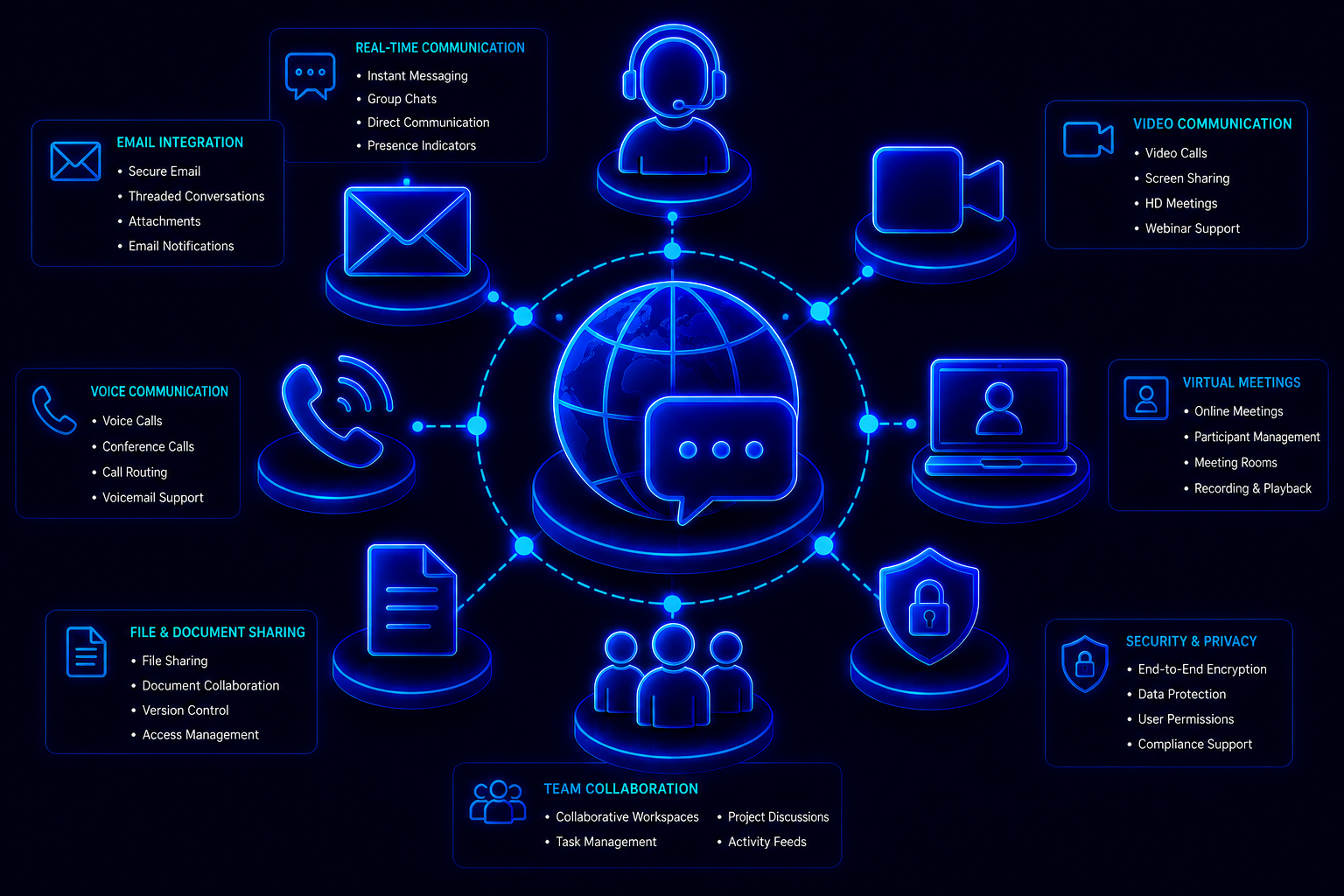
Communication Protocols For Global Teams
Global teams offer access to diverse talent, perspectives, and expertise, but they also introduce challenges related to communication, time zones, and cultural differences. Without clear communication protocols, misunderstandings, delays, and productivity issues can quickly arise. Establishing structured communication guidelines helps distributed teams stay aligned, collaborate efficiently, and achieve shared business goals regardless of location.
Why Communication Protocols Matter in Global Teams
Global teams often operate across multiple time zones, languages, and cultural environments, making structured communication essential.
Without clear communication standards, teams may experience delays, misunderstandings, duplicated efforts, and reduced productivity.
Communication protocols establish expectations for how information is shared, discussed, and documented across the organization.
These guidelines help teams remain aligned on priorities, responsibilities, and project objectives.
Organizations with strong communication practices are better equipped to manage distributed workforces successfully.
Core Components of Effective Communication Protocols
Successful communication protocols define which channels should be used for different types of communication.
Synchronous communication methods such as meetings and video calls are ideal for discussions that require immediate interaction.
Asynchronous communication tools support updates, documentation, and collaboration across different time zones.
Response time expectations help team members understand communication priorities and maintain accountability.
Centralized documentation ensures that important information remains accessible, organized, and transparent.
Building Stronger Global Collaboration Through Communication
Effective communication protocols go beyond tools and processes by promoting trust, clarity, and collaboration.
Organizations should encourage active listening, cultural awareness, and respectful communication among team members.
Regular feedback sessions help identify communication challenges and improve collaboration practices over time.
Leadership plays an important role in modeling effective communication behaviors and reinforcing protocol adoption.
By establishing clear communication standards, businesses can create high-performing global teams that work efficiently, collaborate effectively, and consistently deliver successful outcomes.
Case in Point
- Improve communication across global teams
- Reduce misunderstandings and project delays
- Increase collaboration and transparency
- Strengthen team alignment and accountability
- Enhance productivity in remote environments
- Support effective knowledge sharing
- Improve stakeholder communication processes
- Build trust across distributed teams




0%